When organizing tips and tricks aren’t enough
Have you ever clicked on an article or bought a book hoping to find that little nugget that will help you finally get organized?
When I started on my own personal organizing journey in 2015, I bought every organizing magazine and book I could find. While I did learn some helpful things, nothing I read was a real game-changer for me. Sometimes the organizing advice even felt overly simple and frustrating.
If you’ve ever felt frustrated or underwhelmed with the organizing tips and tricks you’ve found, you’re not alone. As a professional organizer, I frequently see this happen with my clients.
After working with 100+ clients, I now understand why organizing tips and tricks fall short for so many people. For most people, it’s one (or more) of the 5 common reasons I’ll discuss below.
The good news is that once you understand why the standard advice isn’t working for you, you can start to find the right support to help you finally get organized.
Reason 1: You have more complex organizing challenges.
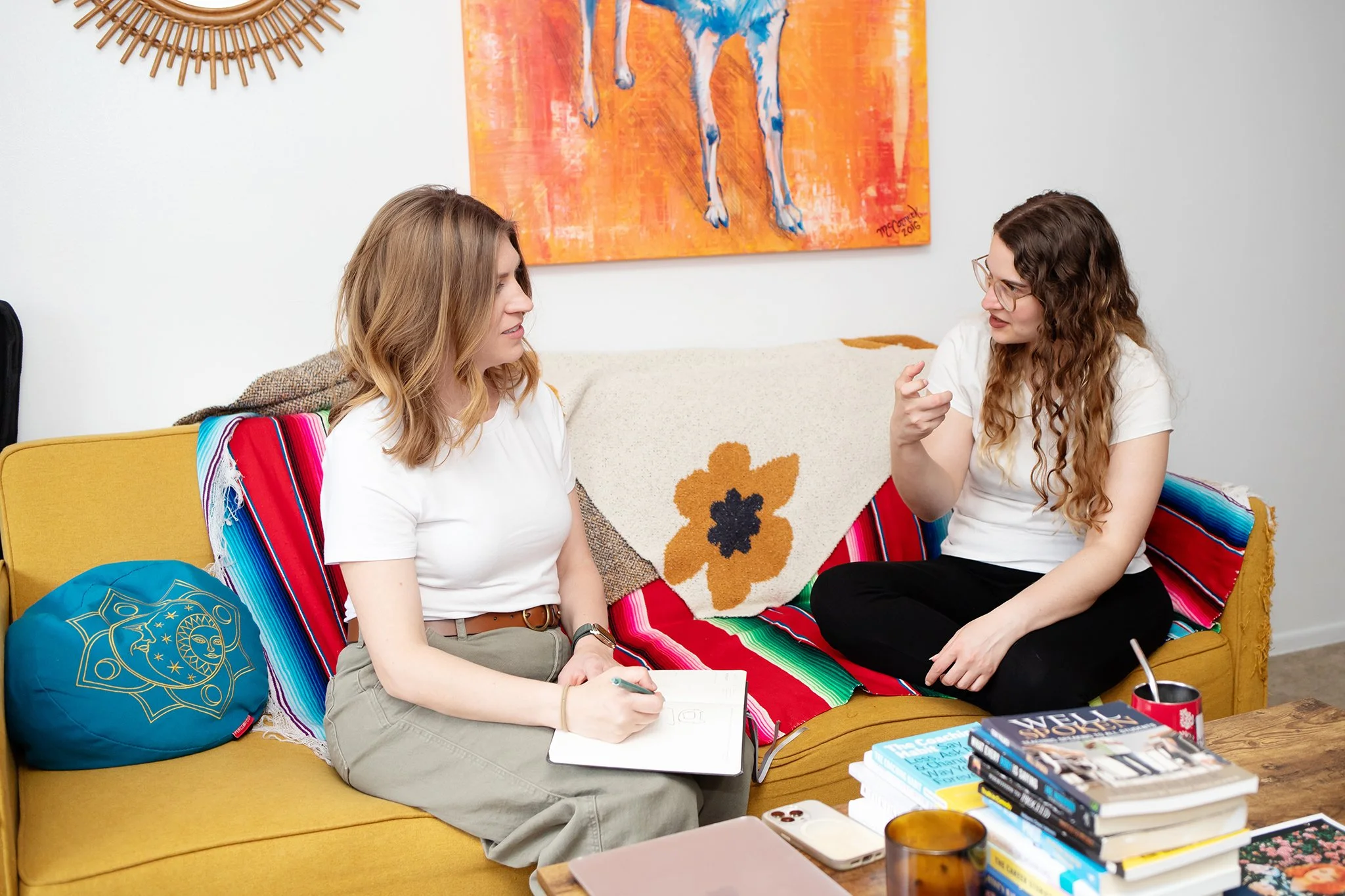
Since becoming a professional organizer, I’ve learned that some people experience significant, ongoing challenges with organization — we call this “chronic disorganization.” This is common among people with ADHD, people with hoarding disorders, and senior citizens.
If you have experienced a long-term struggle with organization, basic organizing tips aren’t going to address the complexity of your situation. You may need to address physical and mental health issues, relationships, and other challenges alongside your home environment.
Working with a therapist or mental health professional, a professional organizer experienced in chronic disorganization, and establishing a strong personal support system can make a difference.
Reason 2: You need structure and accountability, not just information.
Many of my clients know what they need to do to get organized, but they struggle to carve out the time and complete to the sometimes-tedious tasks that organization requires.
This is why in-person support is key. So many of my clients tell me “I just get so much more done when you’re here.”
I think of it like working out with a personal trainer. Sure, I could go to the gym and work out by myself, but if I’ve booked a session with a personal trainer, I’m much less likely to skip my session or give it a half-hearted effort.
Having an accountability buddy or trusted professional working alongside you can help you keep going, even when you’d rather plop on the couch and binge Netflix than organize your pantry.
Reason 3: You just don’t have time.
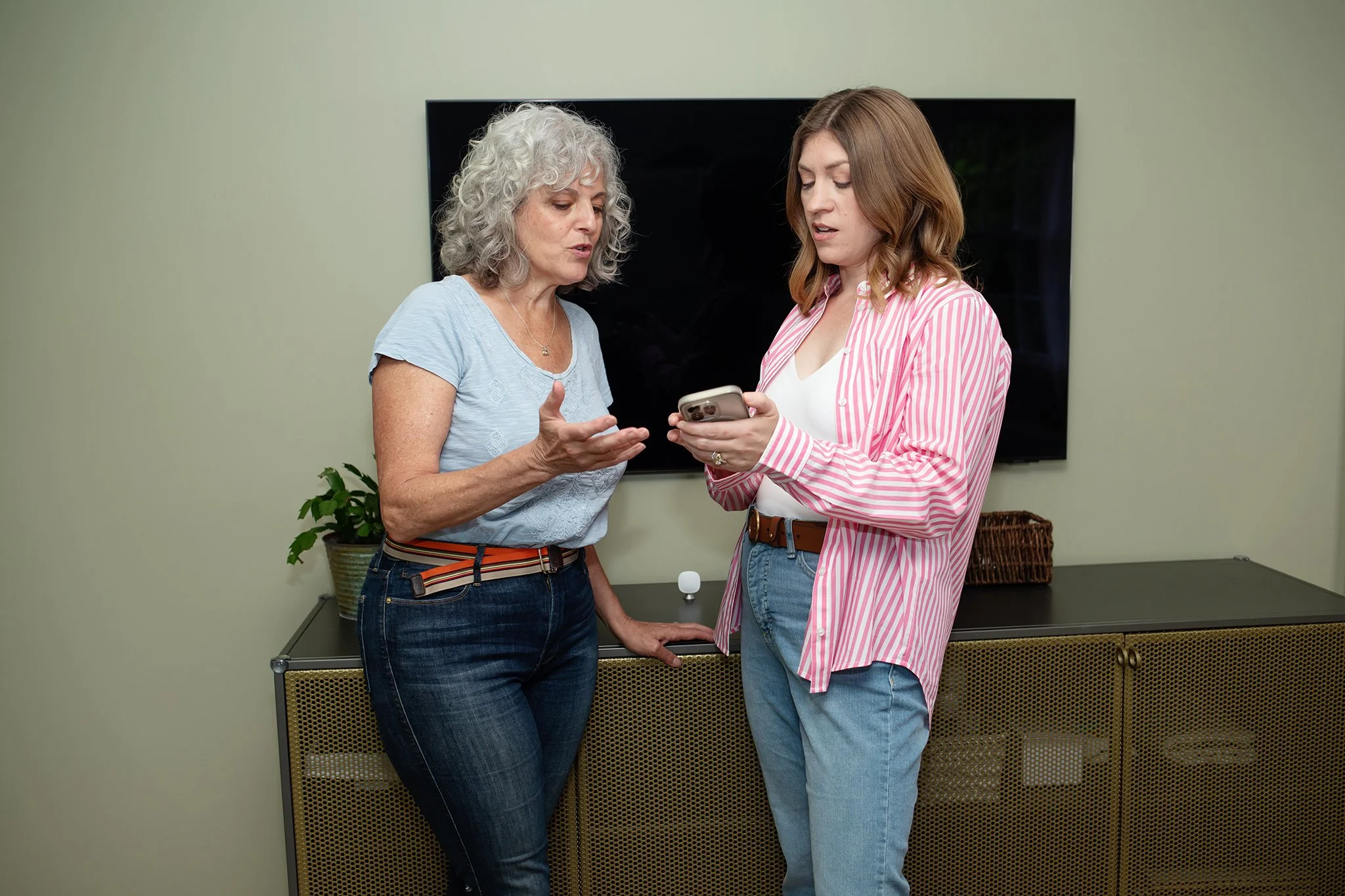
Even the best organizing systems require regular maintenance. If you are in a busy season of life, you may be struggling to find time to keep your home in order.
I always encourage my clients to look at the whole picture:
What are your work responsibilities?
What are your care-giving responsibilities?
What routine chores are you responsible for (laundry, dishes, cleaning, meal prep, shopping)?
Are you managing scheduling, planning, and logistics for your household?
Are you responsible for other types of home maintenance (lawn care, renovations, repairs)?
What activities/organizations are you active in outside of work?
Do you have enough downtime and time with your family?
Often, people don’t have as much time to dedicate to home organizing as they would like. If this is the case for you, simplifying, delegating tasks, and bringing in outside support can help you stay organized if you’re time-pressed.
Reason 4: You have a physical or health challenge.
Home organizing is often physical — it can involve a lot of lifting, reaching, climbing, and standing.
If you have a physical challenge — like an injury, a health condition that limits your energy or mobility, or a physical disability — it may be difficult to stay organized. Finding a trusted, non-judgmental partner who can assist with physical tasks while you make decisions is your key to staying organized.
Reason 5: You need a bigger lifestyle change.
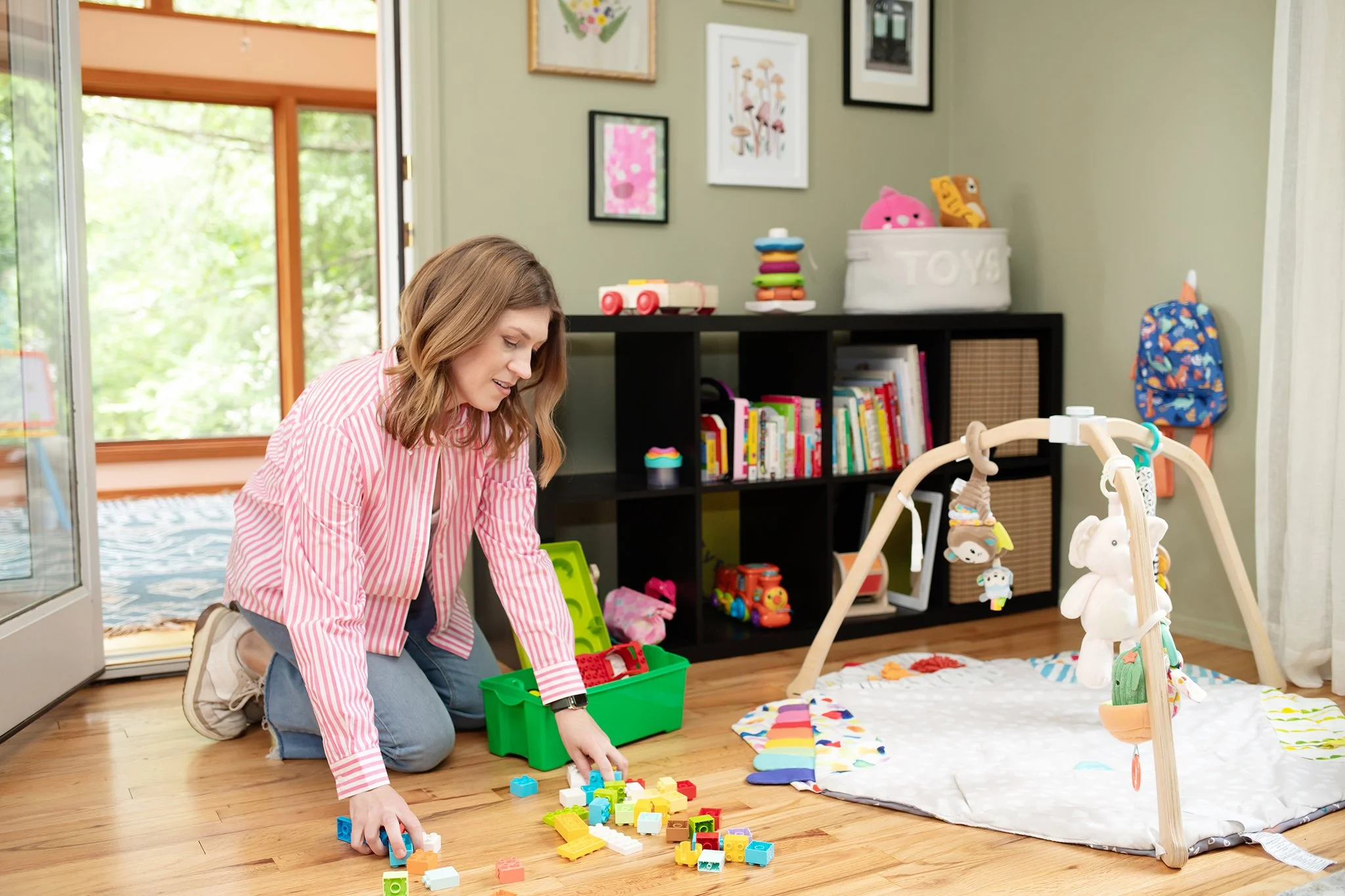
While working together, sometimes my clients realize there is something bigger beneath the disorganization. Maybe their family is over-scheduled and they decide to cut back on some obligations. Or they acknowledge they have a shopping addiction and consider talking to a therapist. Or they reconsider their priorities and choose to simplify so they have more time for travel and hobbies.
All of these realizations go beyond organization — they require a lifestyle change that organizing can support, but on it’s own won’t completely address.
If you’ve tried the standard organizing tips and tricks you’ve read, and they just don’t seem to be helping, consider if something else in your lifestyle needs to change before you can get organized.
What does this mean for you?
Getting organized can be complex and challenging, and if you haven’t cracked it yet, don’t be hard on yourself. If any of this resonated with you, my top recommendations are:
Take the organizing tips you hear with a grain of salt. They may work for some, but they won’t work for everyone (and that’s ok!)
Consider how you can add caring, non-judgmental support to reach your goals. That could be a therapist, coach, trusted friend/family member, body double, or professional organizer.
If you have ADHD or another complex organizing challenge, look for an organizer with experience working with chronic disorganization. I have my Level I certificates of study in chronic disorganization and ADHD from the Institute for Challenging Disorganization (ICD), and you can search their website for professionals in your area.
If you’d like to talk in more detail about your organizing challenges, I’m here for you. Sign up for a free consultation or contact me at 412-503-7604. I’d love to help you get moving in the right direction!